BlogGlo & Sparkle

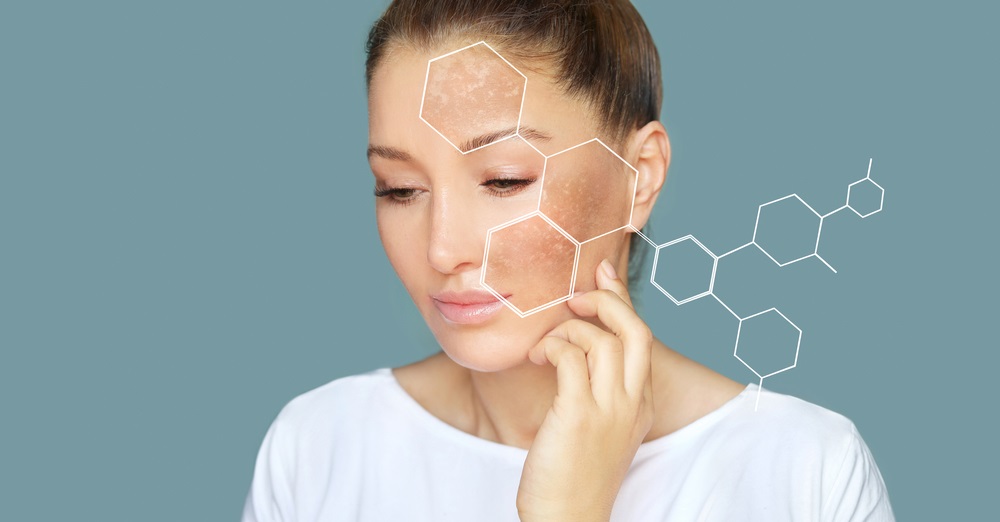
Exfoliation has been sold as the answer to nearly every visible skin concern. Having skin problems? Exfoliate. Dry skin? Exfoliate. Oily skin? Exfoliation is the answer.
That advice is great for the right person, but for the wrong patient or when used in excess, it can do a lot more harm than good.
At a certain point, removing dead skin cells stops helping the skin’s appearance and starts disrupting the skin barrier. Once that outer layer becomes weakened, your skin may turn red, tight, reactive, oily, dry, flaky, or suddenly intolerant of products it handled well before. Many people respond by adding stronger exfoliating products, booking chemical peels, or cycling through new clinical treatments because their skin never seems to stabilize.
This creates a frustrating pattern. Over-exfoliating damages the barrier, the damaged barrier produces visible problems, and those problems are treated with even more exfoliation.
Dead skin cells are usually framed as debris that needs to be removed as quickly and aggressively as possible. In reality, the outermost layer of the skin is part of a highly organized protective system. Dead cells, natural oils, and structural proteins work together to limit moisture loss and protect the living skin cells beneath them.
Skin cell turnover naturally pushes older cells toward the surface, where they eventually shed. Gentle exfoliation can support that process, especially when dead skin creates roughness or congestion. The problem begins when an exfoliation routine tries to force turnover faster than the skin can recover.
Removing dead skin cells too often leaves gaps in the skin’s natural barrier. Water escapes more easily, irritation increases, and environmental stressors reach deeper into vulnerable tissue. The skin responds with inflammation, sensitivity, excess oil production, or visible dryness. What looks like a need for more exfoliation may actually be a barrier asking for less.
The two main methods are physical exfoliation and chemical exfoliation, and either can cause trouble when used too aggressively.
Physical exfoliators remove dead cells through friction. This includes scrubs made with abrasive materials, cleansing brushes, facial tools, rough cloths, and other forms of mechanical exfoliation or manual exfoliation. Even products marketed as gentle can become irritating when pressed too firmly, used too often, or worked into the skin with repeated circular motions.
Chemical exfoliation uses ingredients that loosen the bonds between cells. Alpha hydroxy acids, commonly called AHAs, include glycolic acid and lactic acid. Beta-hydroxy acids include salicylic acid, which can penetrate oily pores and is frequently used for acne-prone skin. These hydroxy acids can effectively exfoliate when the formula, frequency, and concentration suit the skin type.
A chemical exfoliant doesn’t feel abrasive, which can make it seem harmless. But a chemical exfoliator can still create significant irritation, especially when several exfoliating acids are layered together. A glycolic acid toner, salicylic acid cleanser, retinol product, vitamin C serum, and weekly peel may all belong to the same skincare routine without the user realizing how much cumulative pressure they place on the barrier.
Over-the-counter products are often introduced as mild versions of clinical treatments, but lower concentrations can still cause more harm when used daily, combined incorrectly, or applied to sensitive skin.
The cycle often begins with a small concern. Someone notices acne, rough skin texture, enlarged pores, sun damage, or uneven tone and adds a chemical exfoliant. The skin initially looks smoother because surface buildup has been removed. Encouraged by that result, they exfoliate more often or add another product from the same skin care line.
Then the skin becomes tight or flaky. Redness appears. Makeup settles strangely. Products begin to sting. Oily skin may grow even oilier as it tries to compensate for moisture loss, while dry skin can become increasingly rough and reactive.
At that stage, many people assume the exfoliant is no longer strong enough. They move from gentle exfoliation to stronger chemical exfoliation techniques, more frequent chemical peels, or another exfoliation method altogether. Each new attempt may temporarily polish the outer layer while deepening the barrier problem underneath.
Clinical intervention can improve acne, dark spots, rough texture, and sun damage, but compromised skin cannot hold those improvements well. When the skin barrier is unstable, even an appropriate treatment may lead to prolonged redness, irritation, peeling, or rebound sensitivity.
This can create the impression that the skin needs constant professional rescue. A peel smooths the surface, but the flaky skin returns. Acne improves, then inflammation comes back. Dark spots fade, yet new discoloration appears because irritated skin is more vulnerable to pigment changes and UV exposure.
Clinical treatments are most effective when they are part of a stable skin care plan, not when they are repeatedly used to correct damage caused by an overloaded home routine. Collagen production, pigment regulation, acne control, and healthy skin cell turnover all work better when the barrier is functioning properly.
Barrier recovery is rarely dramatic. It usually involves removing the drama.
Start with a mild cleanser, lukewarm water, a simple moisturizer, and broad-spectrum sunscreen. Put away the exfoliation tool, physical exfoliant, harsh scrub, and unnecessary acids. Avoid trying to exfoliate your skin through active redness, burning, peeling, or tightness.
Once the skin feels comfortable again, certain exfoliants may be reintroduced carefully. The best exfoliant depends on the skin type, current sensitivity, acne pattern, climate, and other products in the routine. Someone with acne-prone skin may benefit from salicylic acid, while dry or sensitive skin may tolerate lactic acid better than glycolic acid. Frequency matters as much as ingredient choice.
Safely exfoliate by introducing one product at a time and watching how the skin responds over several weeks. A healthy glow develops through consistency, hydration, sun protection, and controlled skin cell turnover. It doesn't require sanding the face into submission.
Persistent redness, acne, burning, flaking, dark spots, or product intolerance may require guidance from a licensed provider or board-certified dermatologist. Professional evaluation can help determine whether the problem is acne, dermatitis, barrier damage, pigment instability, or a combination of concerns.
At Glo & Sparkle, we look at the entire skincare routine before recommending another peel, acid, or exfoliating product. Sometimes the right clinical plan includes chemical exfoliation. Sometimes it begins with repairing the skin barrier so future treatments can work without creating another setback.
Exfoliation should support the skin. Once the skin becomes dependent on constant correction, the routine has crossed the line from productive to destructive.
schedule your consultation with Glo & Sparkle
We are a one-of-a-kind top-tier MedSpa in Lubbock with the latest, widely studied, scientifically proven, and FDA cleared technology, including the Emsculpt NEO, Emsella, Stellar M22 Laser, Genius Radiofrequency Microneedling, SkinPen Microneedling, OxyGeneo, Advanced PDO thread Lifts and 3D photography.. So you can be comfortable knowing that at Glo and Spa-rkle, you will get a thorough and detailed consultation, with an optional but recommended low-cost, state-of-the-art 3D photography evaluation of the face and body.
This thorough consultation will give you accurate information and “before-photos” to develop your aesthetic plan and follow-up “after-photos” to help you get precise information and visual data to track your progress along your aesthetic journey!
4513 114th St, Lubbock, TX 79424