BlogGlo & Sparkle

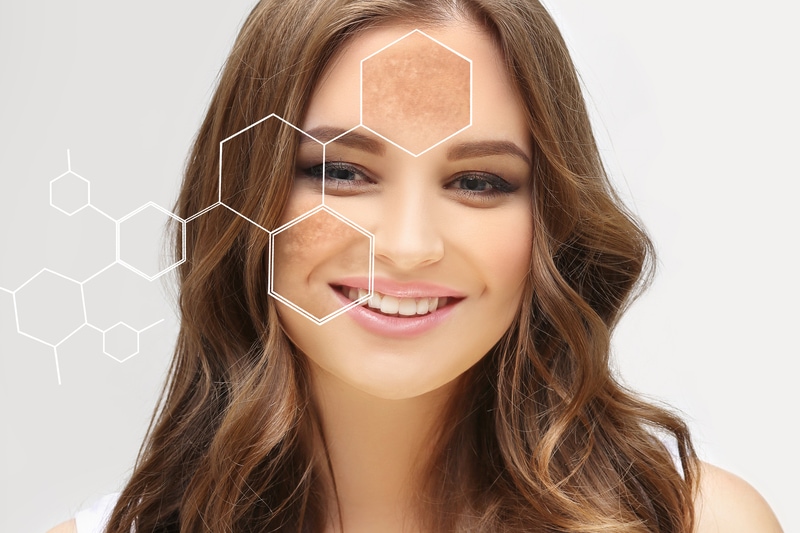
Melasma can turn a simple skin concern into a long, emotional negotiation. It shows up as brown patches or flat patches, usually across the cheeks, forehead, nose, or upper lip, then lingers long enough to make people question every product, every sunny day, and every mirror. Melasma is a common skin condition, but that doesn’t make it easy to live with. If anything, its stubbornness is part of what makes the treatment of melasma so tricky.
Melasma affects far more than surface appearance. It can alter skin tone, draw attention to facial pigmentation, and create a cycle where people over-treat in hopes of seeing quick improvement, which is usually where trouble starts. A rushed melasma treatment plan can irritate the skin, deepen pigment, and trigger melasma rebound, especially in people already prone to inflammation or sensitive skin. Treating hormonal pigmentation is a high-stakes game because progress depends on restraint as much as action.
Melasma is a common acquired skin disorder linked to hormones, sun exposure, and inflammation. It’s sometimes called the "mask of pregnancy" because pregnant women often develop melasma during hormonal shifts. It can also appear with birth control pills, hormone replacement therapy, and, in some cases, a strong family history. Some patients develop melasma after years of cumulative sunlight exposure. Melasma triggers vary, but hormones and light are usually the lead players.
Melasma patches are different from age spots, liver spots, or drug-induced pigmentation. Those can mimic melasma, but melasma presents in recognizable patterns, including the classic lateral cheek pattern, centrofacial involvement, or patchy discoloration on the upper lip. The color can range from light brown to dark brown, depending on depth and skin color. A clinical diagnosis matters here because how melasma is managed depends on what kind of pigment is sitting where.
To diagnose melasma well, you need more than a quick glance and a guess. A proper clinical diagnosis starts with the story: when melasma appears, whether sun exposure worsens it, whether pregnancy, hormone replacement therapy, or birth control pills are involved, and whether there’s been irritation from skincare or procedures. The next step is looking at the pattern, depth, and color of the pigment.
Melasma diagnosed on the surface tends to fall into three broad categories: epidermal melasma, dermal melasma, and mixed melasma. Epidermal melasma sits closer to the outer layer of the skin, where excess pigment collects more superficially and often responds the quickest to treatment. Dermal melasma runs deeper, which makes it harder to treat. Mixed melasma, as the name suggests, has elements of both. These distinctions are important to recognize so that you and your doctor can shape your treatment plan around them.
Melasma lesions, despite their appearance, don’t behave like a single stain you can scrub off. The pigment cells involved are reactive, and they remember inflammation. They respond to ultraviolet radiation, visible light, blue light, heat, and hormonal shifts, but they can also respond badly to overly aggressive treatments. When the skin gets inflamed, those cells can keep producing excess pigment even while you’re trying to fade it.
That’s why chemical peels, laser therapies, or even a supposedly gentle home routine can exacerbate melasma if they’re used carelessly. The skin may look brighter for a moment, then swing backward. That rebound is part of melasma development for many patients. It’s why managing melasma takes discipline. It’s also why anyone promising instant, flawless clearance is selling fantasy.
The best melasma treatment plan is usually conservative, layered, and built for the long haul. That means protecting the skin first, then slowly lightening pigment without creating new inflammation. Sun protection is the basis of everything. Without strong sun protection, any treatment for melasma becomes an uphill climb.
For most patients, that means a broad-spectrum sunscreen every morning, reapplication during the day, and, ideally, a formula that also addresses visible light. Tinted products containing iron oxide can help because melasma isn’t driven by UV radiation alone. Visible light can trigger melasma too, particularly in patients with darker skin or persistent facial pigmentation. Camouflage makeup that includes iron oxide can help pull double duty: cover the pigment and reduce the light exposure that keeps it active.
Topical therapy usually comes next. Depending on skin type, skin tone, and tolerance, that might include azelaic acid, kojic acid, vitamin C, ascorbic acid, glycolic acid, salicylic acid, or prescription blends. Sometimes a mild corticosteroid appears in short-term regimens, but only in carefully selected cases. The point is to slow pigment production, encourage skin cell turnover, and lighten melasma patches without sending the skin into a spiral.
When topical therapy isn’t enough, tranexamic acid often becomes plan B. Tranexamic acid can be taken orally or topically, and is a slightly more aggressive treatment for the more stubborn spots. It's important to understand that oral treatments aren’t a casual add-on, and the best treatment for you depends on your medical background.
Laser therapies can help in very specific circumstances, but they’re not automatically the hero. The same goes for chemical peels. Used carefully and strategically, they may play a supporting role, but used too aggressively, they can absolutely worsen pigment. The one providing your treatments will make a big difference in your results, so choose wisely.
A basic, melasma-friendly routine should feel boring and overly simple. Gentle cleansing, consistent hydration, steady sun protection, and a handful of actives chosen with restraint. Irritation is expensive when you’re trying to treat melasma. Fragrance, rough scrubs, harsh exfoliation, and an overloaded cabinet full of conflicting acids can all trigger melasma or make it harder to clear.
Patients often do better with a streamlined routine that supports the barrier while working on pigment. Vitamin C can help with brightness and oxidative stress, azelaic acid can help with discoloration and inflammation, and kojic acid may fit into some regimens, but a thoughtful formula beats a crowded shelf every time. If you’re tempted to stack every trending brightener at once, pause. Melasma feeds off of impatience.
Diet won’t erase melasma patches, but general skin support still matters. Adequate hydration, protein, healthy fats, and a healthy diet may support overall skin health. Low vitamin D levels can also complicate the broader picture for some patients, particularly those who become intensely sun-avoidant. That doesn’t mean chasing sunshine without protection. It means making sure overall health isn’t being ignored while facial pigmentation gets all the attention.
Melasma is one of those skin disorders that rewards consistency and punishes extremes. You can absolutely improve melasma patches, soften contrast, brighten skin tone, and make your skin look calmer and more even. But melasma management is rarely a one-and-done event. It’s maintenance. It’s a course correction. It’s knowing your melasma triggers and respecting them even after the pigment fades.
This is especially important for pregnant women, postpartum patients, and anyone dealing with hormonal shifts. The mask of pregnancy may lighten after delivery, but it can also linger. Patients who develop melasma during pregnancy or while taking birth control pills often need a longer runway. Patients with dermal melasma or mixed melasma usually do too. The timeline isn’t always tidy, and that’s part of the reality.
At Glo & Sparkle, our approach starts with a careful clinical diagnosis and a treatment plan built around your skin condition, your skin type, and your real life. We’re not interested in pushing the skin harder than it needs to go. We’re interested in helping you treat melasma intelligently, protect the progress you make, and avoid the kind of rebound that leaves people feeling like they’re back at zero.
If you’re dealing with stubborn dark brown patches, discoloration, or facial pigmentation that won’t behave, there’s a reason for that. Melasma is complex, and it needs a treatment plan that understands that complexity completely. A board-certified dermatologist or qualified provider with real experience treating melasma can help sort out what’s actually going on, whether the pigment is epidermal melasma, dermal melasma, or mixed melasma, and which treatment options make sense for your skin.
schedule your consultation with Glo & Sparkle
We are a one-of-a-kind top-tier MedSpa in Lubbock with the latest, widely studied, scientifically proven, and FDA cleared technology, including the Emsculpt NEO, Emsella, Stellar M22 Laser, Genius Radiofrequency Microneedling, SkinPen Microneedling, OxyGeneo, Advanced PDO thread Lifts and 3D photography.. So you can be comfortable knowing that at Glo and Spa-rkle, you will get a thorough and detailed consultation, with an optional but recommended low-cost, state-of-the-art 3D photography evaluation of the face and body.
This thorough consultation will give you accurate information and “before-photos” to develop your aesthetic plan and follow-up “after-photos” to help you get precise information and visual data to track your progress along your aesthetic journey!
4513 114th St, Lubbock, TX 79424